"Fat Shaming" Yourself

Alicia Marlieb, M.Ed, LMHC • May 19, 2018

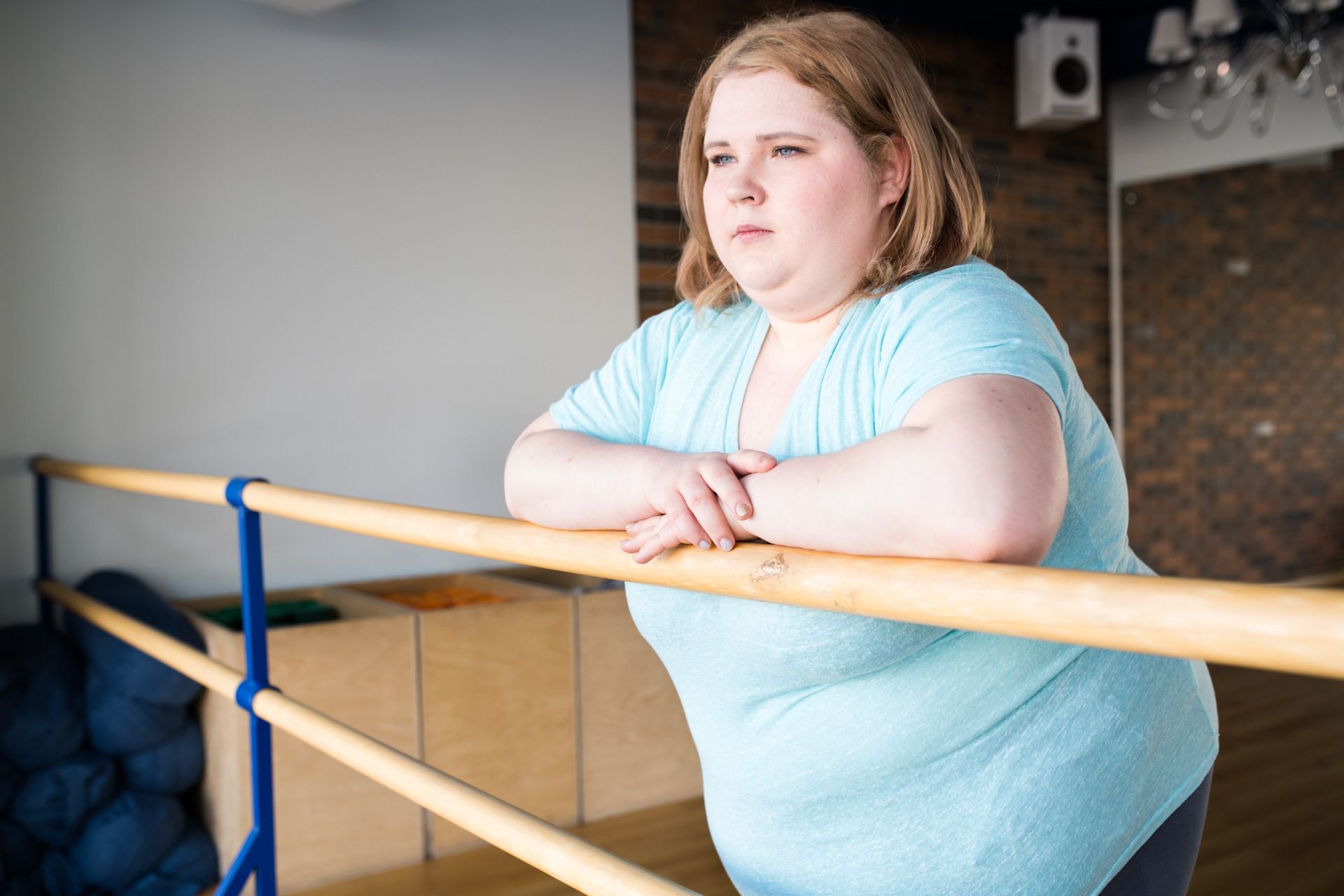
A woman is leaning on a bar in a dance studio.

As I was scrolling though my social media today and noticed many women who are posting selfies "fat shaming" themselves. I saw women writing things like "under this fat," "I hate my body," "fluffy," "this isn't healthy." It saddened me to the reality of women today with the unrealistic expectations society places on a standard of beauty which pushes women into dieting or extreme exercise. 50% of commercials targeting a women audience mention physical attractiveness not to forget a profiting diet and beauty industry that is getting rich off pills and waist trainers by exploiting these women's struggles. This leads to mental health concerns including low self esteem, body image issues, depression, anxiety, and eating disorder, just to name a few. As a licensed mental health counselor, I decided to do some research on how this negative self talk affects us and found astonishing results. Women experience an average of 13 negative thoughts about themselves daily, while 97% of women admit to having a "I hate my body," thought each day. Female athletes have a 20% change of establishing an eating disorder with the highest risk including those in aesthetic sports (i.e. gymnastics, ballet, figure skating, bodybuilding). I had a client tell me today "I will be happy when I lose 10 more pounds," after losing 40! Which is amazing by the way and not a easy task. I told her "don't wait til then to be happy. Be happy now! Your happiness is not dependent on your size!"

I challenge you to reflect on how you are talking to yourself everyday. I am sure we would never talk to another women in this way. So why talk to the most important women in your life like that ... You! We have to work on love and caring for the relationship with ourselves just as much as our relationship with others. If you are struggling with negative self talk or negative habits around eating or exercise please contact a therapist and seek help. Feel free to call me for assistance or a free consultation on how you can change you negative self talk today at (305) 447-7680.

Last but not least remember, You are Beautiful!


Alicia Marlieb, M.Ed., LMHC


Sources:


Zucker NL, Womble LG, Williamson DA, et al. Protective factors for eating disorders in female college athletes. Eat Disorders 1999; 7: 207-218.


Sungot-Borgen, J. Torstveit, M.K. (2004) Prevalence of ED in Elite Athletes is Higher than in the General Population. Clinical Journal of Sport Medicine, 14(1), 25-32.


January 26, 2026
Many women often pride themselves on their ability to manage multiple responsibilities, make smart choices, and keep everything running smoothly. But for many, this constant mental load comes at a cost: by mid-morning, your mind may already feel foggy, exhausted, and overstimulated. Decision fatigue and overthinking are common experiences for women who have spent years navigating complex responsibilities, caring for others, or managing trauma-related patterns of hyper-vigilance and over-responsibility. Decision fatigue is exactly what it sounds like: when the brain becomes depleted from making too many choices, your mental energy runs low. Everyday decisions that might feel simple to others—what to eat, how to respond to emails, which task to tackle first—can start to feel overwhelming or emotionally heavy. Overthinking intensifies this, as you analyze, re-analyze, and mentally rehearse scenarios in an attempt to control outcomes. This cycle keeps your nervous system on high alert, leaving you feeling drained, frustrated, and sometimes disconnected from your own body. For women with trauma histories, this is even more pronounced. Childhood experiences that demanded hyper-vigilance, perfectionism, or caretaking often teach the nervous system that constant monitoring is necessary for safety or survival. As adults, the habit of overthinking and overanalyzing becomes automatic. Your mind constantly anticipates problems, strategizes solutions, and evaluates emotional outcomes—not just for yourself, but for everyone around you. The result is mental fatigue long before the day is half over. Over time, this cognitive exhaustion contributes to emotional burnout, irritability, and the inability to experience joy or satisfaction from achievements. You may notice yourself procrastinating on decisions, feeling paralyzed by options, or making impulsive choices simply to relieve the mental strain. Many high-functioning women silently judge themselves for this, thinking they “should be able to handle it,” but it’s important to recognize that this pattern is deeply rooted in survival strategies, not laziness or weakness. Breaking the cycle requires trauma-informed strategies that target both the brain and the body. Mindfulness practices can help you notice when your thoughts are spiraling and provide a pause before your nervous system reacts. CBT techniques can identify unhelpful thought patterns and reframe them in a way that reduces mental overload. EMDR therapy can address the early experiences that trained your nervous system to be hyper-vigilant, helping you create lasting neural pathways for calm and confidence. Small, intentional interventions—like limiting decisions in the morning, automating routines, or delegating tasks—also protect your cognitive energy and reduce the burden of mental overwork.  Remember, your mind isn’t failing you; it’s signaling that it has been overworked for far too long. Learning to manage decision fatigue and overthinking isn’t about being “better” at planning or controlling outcomes—it’s about creating safety in your body and mind so that daily choices don’t feel like an exhausting battle. Over time, these strategies allow high-functioning women to experience mental clarity, emotional ease, and freedom from the constant inner pressure to perform. If overthinking and decision fatigue are running your life, Fit Counseling offers trauma-informed therapy, EMDR, CBT, and mindfulness-based approaches to help high-functioning women restore mental clarity and calm. Virtual appointments are available across Florida, and insurance is accepted. Learn more at www.fitvirtualcounseling.com .
January 19, 2026
Many women carry an invisible weight: the identity of “the strong one.” This role may have started in childhood, when you were expected to keep the family functioning, manage emotional crises, or protect loved ones from stress. You learned to put your own needs aside to maintain peace, stability, or connection. Over time, this strength became part of your identity, but it also often eroded self-worth, emotional presence, and the ability to prioritize yourself without guilt. Rebuilding self-worth begins with recognizing the patterns that shaped this identity. Emotional neglect, trauma, and unbalanced caregiving teach you that your value is tied to what you do for others, rather than who you are. Many women carry shame about needing help or setting boundaries, which can prevent them from prioritizing themselves even when it’s critical for mental health. This internalized belief keeps the nervous system in hypervigilance, making rest, pleasure, and authenticity feel unsafe. Healing requires reparenting the parts of yourself that were expected to perform constantly. EMDR therapy can help access and process memories that maintain these limiting beliefs, allowing your nervous system to experience safety and self-compassion. Mindfulness and CBT strategies provide tools to identify when you’re overextending yourself and respond differently. Small, consistent acts of self-care—saying no, prioritizing rest, affirming your worth—gradually shift your internal narrative from “I must always be strong” to “I am inherently enough.” Rebuilding self-worth also involves understanding that strength does not require constant sacrifice. Vulnerability, connection, and asking for support are acts of courage, not weakness. Over time, integrating these practices allows high-functioning women to reclaim energy, deepen relationships, and experience life from a place of self-respect rather than performance. You can be strong without losing yourself in the process.  Fit Counseling supports women in reclaiming their self-worth through trauma-informed therapy, EMDR, CBT, and mindfulness-based approaches. Virtual sessions are available across Florida, with insurance accepted, to help you move from over-functioning to fully embodied, confident, and supported. Visit www.fitvirtualcounseling.com .
January 12, 2026
Every January, the world pushes people to set big resolutions: lose weight, work harder, earn more, hustle nonstop. But people — especially those with trauma histories — usually don’t struggle with motivation. They struggle with overwhelm, pressure, self-criticism, or nervous system shutdown that makes long-term goals difficult to maintain. A trauma-informed approach to the new year isn’t about discipline. It’s about understanding how your brain and body respond to pressure — and building goals that work with your nervous system, not against it. Why Trauma Survivors Struggle with Follow-Through Trauma affects focus, self-trust, and pacing. It creates a cycle where you set a goal, push too hard too fast, burn out, and then feel ashamed for stopping. This isn’t a lack of willpower — it’s a survival strategy. When your nervous system senses threat (even internal pressure), it triggers fight, flight, freeze, or fawn responses. This makes long-term follow-through incredibly difficult without emotional regulation tools in place. Start With Body-First Regulation Before goals, you need grounding. A regulated body makes sustainable change possible. Practices like slow breathing, mindfulness, somatic grounding, and EMDR resourcing help shift your system from “I must do everything right now” into “I can take the next step.” Consistency becomes far easier when your body feels safe enough to move forward. Avoid the All-or-Nothing Mentality Many high-functioning women live in extremes because perfectionism was once tied to emotional survival. When you grow up walking on eggshells or striving to be “the good one,” anything less than perfect feels like failure. A trauma-informed approach encourages flexible structure instead: Small steps. Gentle adjustments. More pacing. Less pressure. Choose Goals Rooted in Identity, Not Obligation Instead of “I need to change because something is wrong with me,” shift toward: “I want to build a life that feels aligned with who I’m becoming.” When goals reflect self-worth instead of self-criticism, they become easier to maintain. Mindfulness-Based Planning Helps You Slow Down Mindfulness encourages presence, and presence decreases overwhelm. When you plan from a grounded state, your goals become more realistic and achievable. This prevents the cycle of burnout, regret, and starting over every January. Therapy Supports Consistent Change Trauma-informed therapy helps you understand your patterns, regulate your emotions, and set goals rooted in safety — not survival mode. EMDR, CBT, and mindfulness all support clients in building sustainable habits based on compassion rather than pressure. If you want 2026 to feel different — not heavier — Fit Counseling can help you create goals that honor your nervous system, not overwhelm it. Schedule a virtual session at www.fitvirtualcounseling.com .